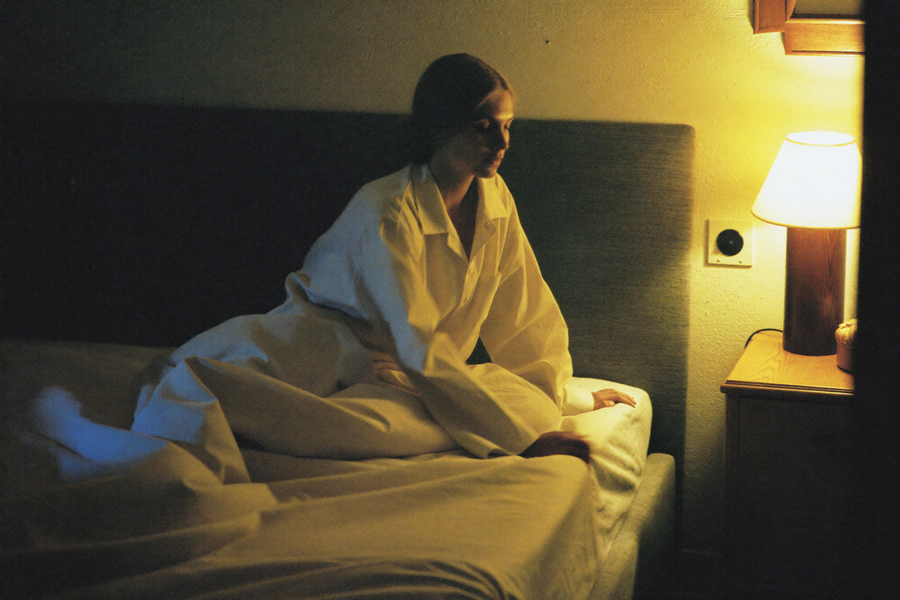
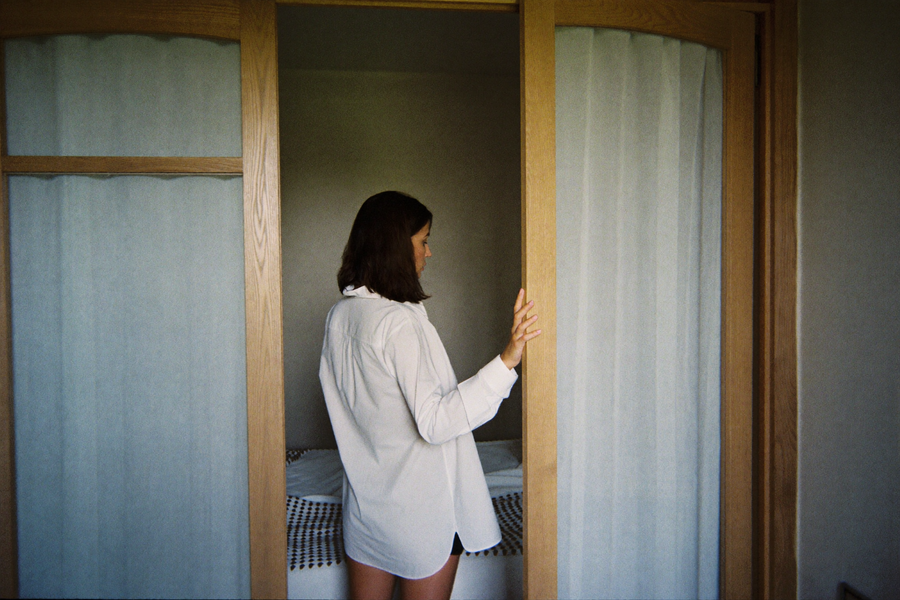
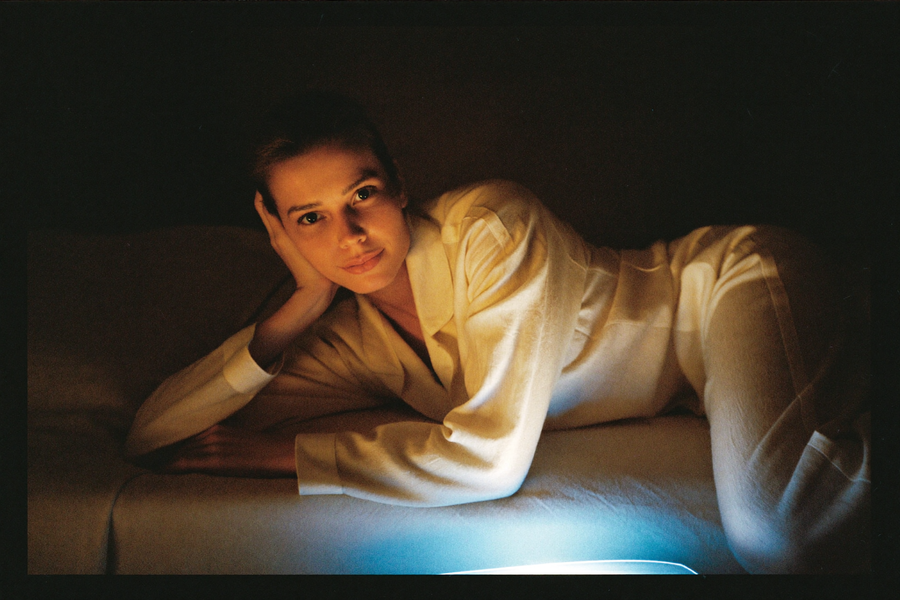
Why Wellness Moved From the Gym to the Bedroom
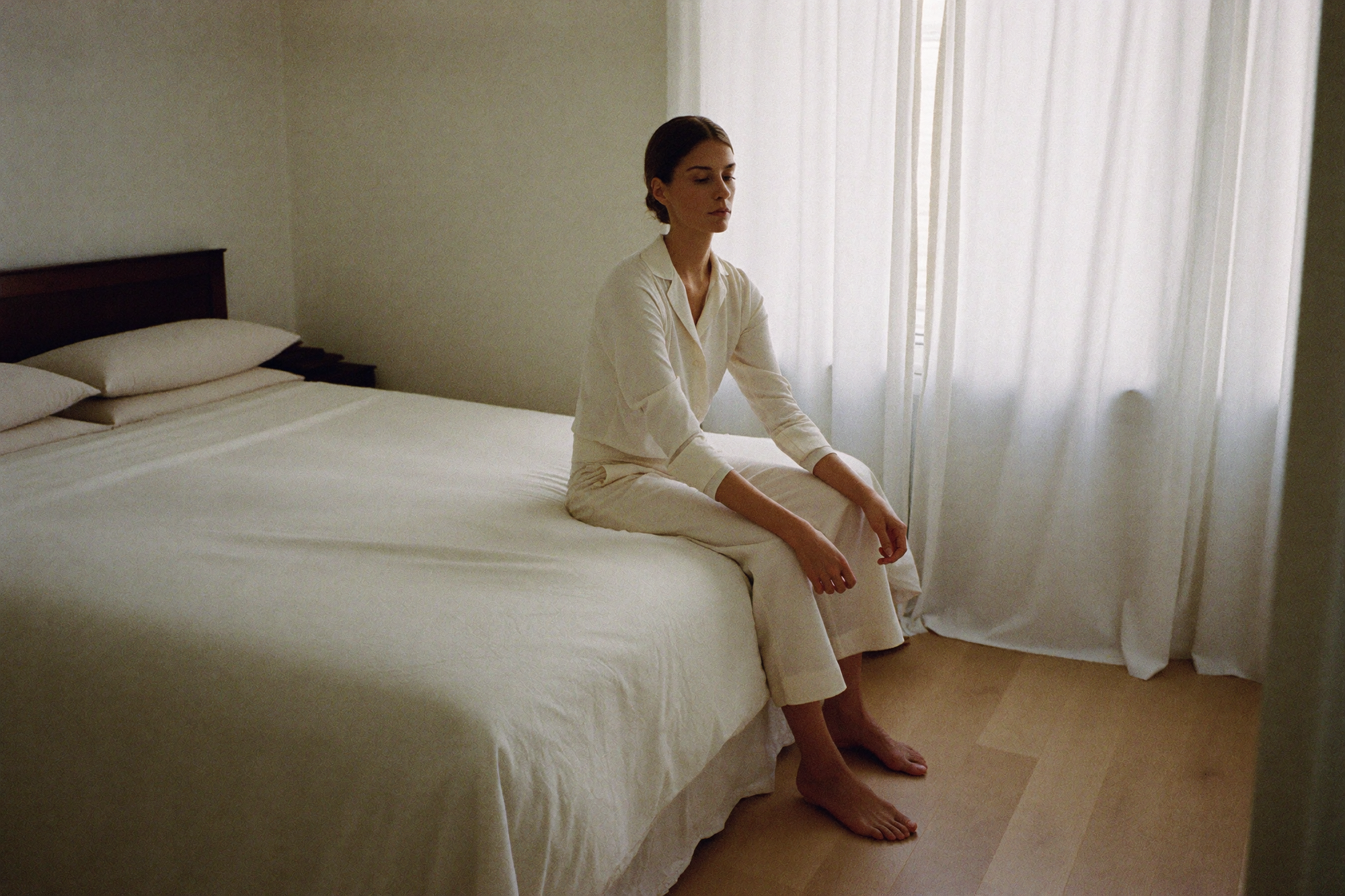
You can date cultural moods by which room people spend money on.
In the 2010s it was the kitchen — the island, the coffee setup, the room you entertained in. Then, abruptly, it was the home office, because everyone needed a background. Now it's moving again, and it's moving somewhere nobody sees.
The shift in what “healthy” looks like
For most of the last two decades, wellness was effort. Gyms, classes, tracking, transformation. The imagery was exertion, and the implied virtue was discipline.
What's replacing it is closer to the opposite: recovery, regulation, restraint. Not doing more, but doing less at the right times.
The gym hasn't disappeared. It's stopped being the whole story — and the recovery half of the equation happens somewhere with a bed in it.
The aspirational body used to be one that had been worked hard. Increasingly it's one that has been allowed to rest.
What made it visible
Wearables. Once a ring or a watch is reporting on your night, sleep becomes measurable, comparable and therefore discussable. You cannot optimise what you cannot see, and suddenly everyone could see it. Whether the numbers deserve that authority is a separate question — we've written about orthosomnia — but the visibility is real.
Elite sport. When professional teams began treating sleep as trainable — controlled light, fixed schedules, travel planned around circadian disruption — it stopped being soft. If it's part of a training programme, it's performance.
Exhaustion. The least glamorous explanation and probably the largest. A lot of people are simply very tired.
What it means commercially
An entire category appeared: mattresses that became brands, lighting sold on circadian grounds, temperature-controlled beds, hotels selling rest as a destination.
Some of that is genuinely useful. A good deal of it is the wellness industry doing what it always does — finding the next room to sell into. We're a small part of that category and it would be dishonest to pretend otherwise.
The thing worth keeping
Underneath the products there's a real change in belief, and it's the right one: that rest is not the absence of effort but a condition for it.
The bedroom is the last room most people furnish and the one they spend a third of their life in. Attention arriving there is overdue.
Whether it arrives as a considered room or as another shelf of things to buy is, we'd argue, still an open question.