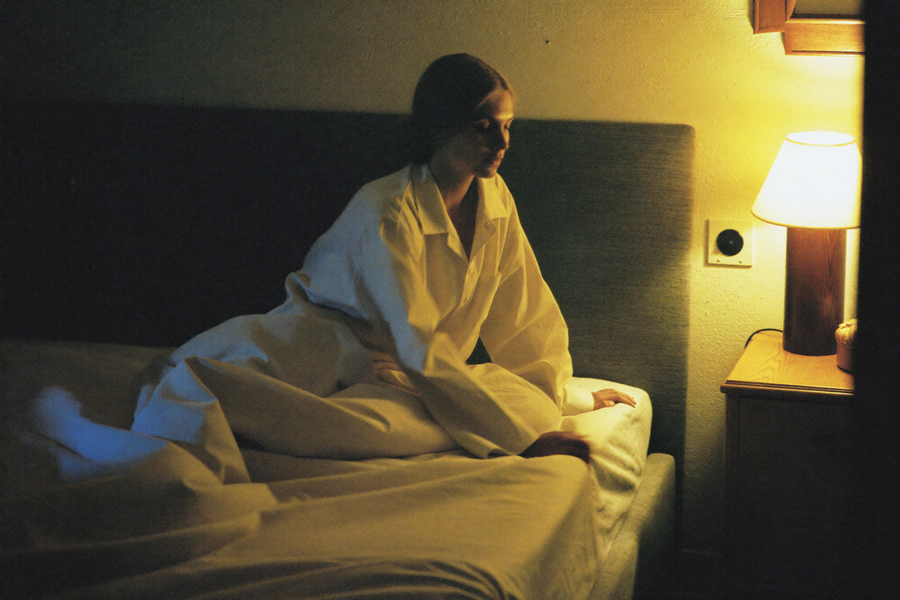
What We Learned From Hotel Rooms
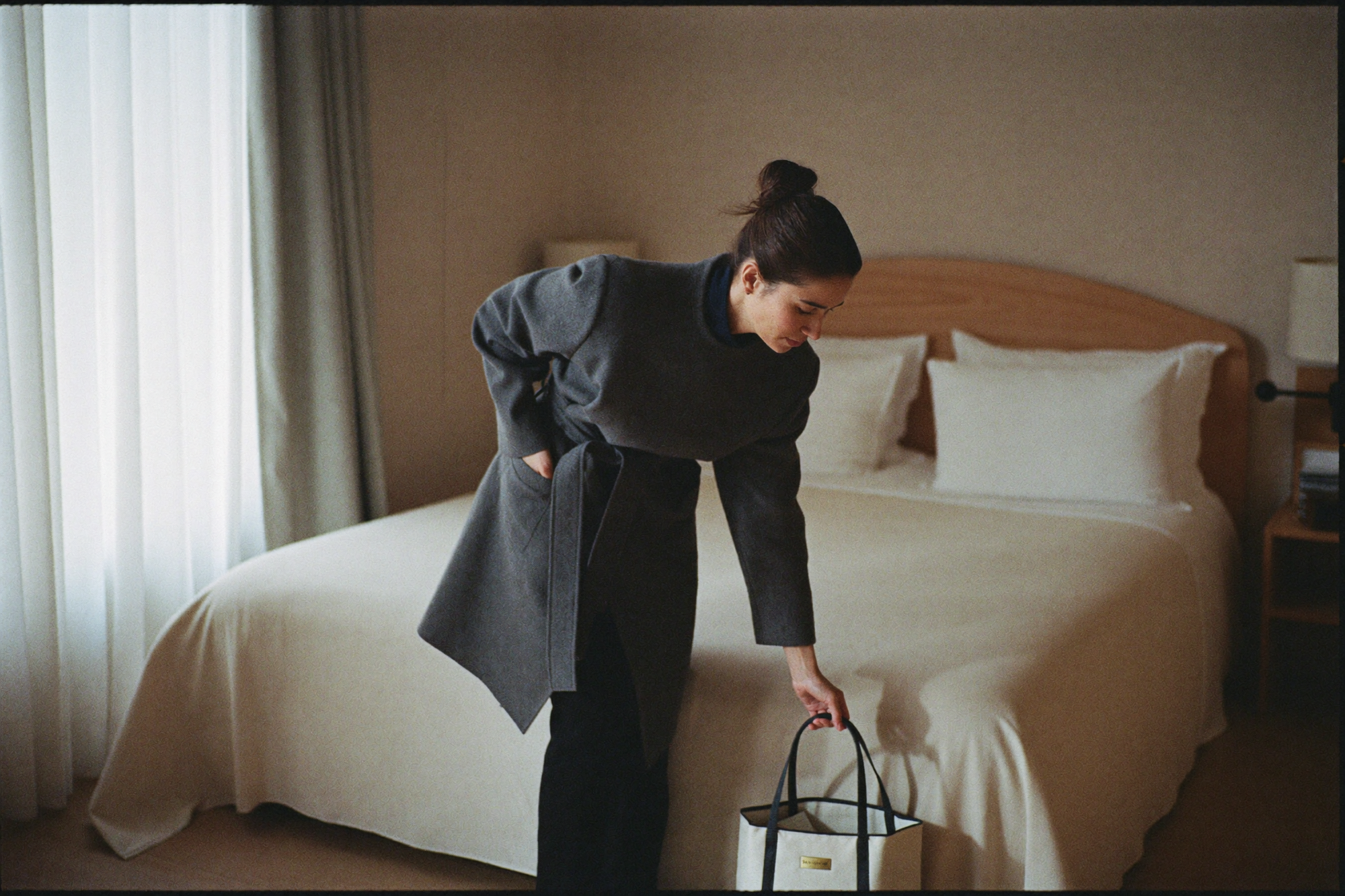
Almost everyone reports sleeping unusually well in a decent hotel, and almost everyone attributes it to the mattress.
It isn't the mattress. We started paying attention to what those rooms actually do, and every one of them is available at home for very little money.
The room is properly dark
Not curtains-drawn dark. Blackout-lining, overlapping-panels, can't-see-your-hand dark. It's the first thing a good hotel invests in and the last thing most people fix at home.
The room is cold
Noticeably cooler than most people keep a bedroom. It feels almost unwelcoming when you walk in, which is precisely the point — your core temperature needs to fall for sleep to begin, and an overheated room fights that all night.
There is nothing unfinished in it
This is the one nobody counts, and we think it's the biggest.
A hotel room contains no laundry, no paperwork, no half-assembled thing, no desk with your actual job on it. There is nothing in the room asking you for anything. You cannot relax in a room that is still making requests.
People aren't paying for a better bed. They're paying for a room with no unfinished business in it.
The lighting is layered
Count the light sources in a good hotel room: usually four or five, all low, all warm, none in the ceiling. Then count them in your bedroom.
The bedside table is nearly empty
A lamp, a phone that isn't yours, a glass of water. Nothing accumulating.
The part you can't take home
Being somewhere with nothing to do. That's genuinely what the holiday is providing, and no amount of blackout blinds replicates having no obligations for three days.
But four of the five things above cost less than one night in the hotel. The dark, the cold, the empty surfaces, the low light — that's the whole trick, and it's a weekend's work at most.
We wrote about the strange rise of sleep tourism as a cultural phenomenon over here. Short version: the industry has noticed how tired everyone is, and is selling us conditions we could arrange ourselves.