What Nobody Tells You About Waking at 3am
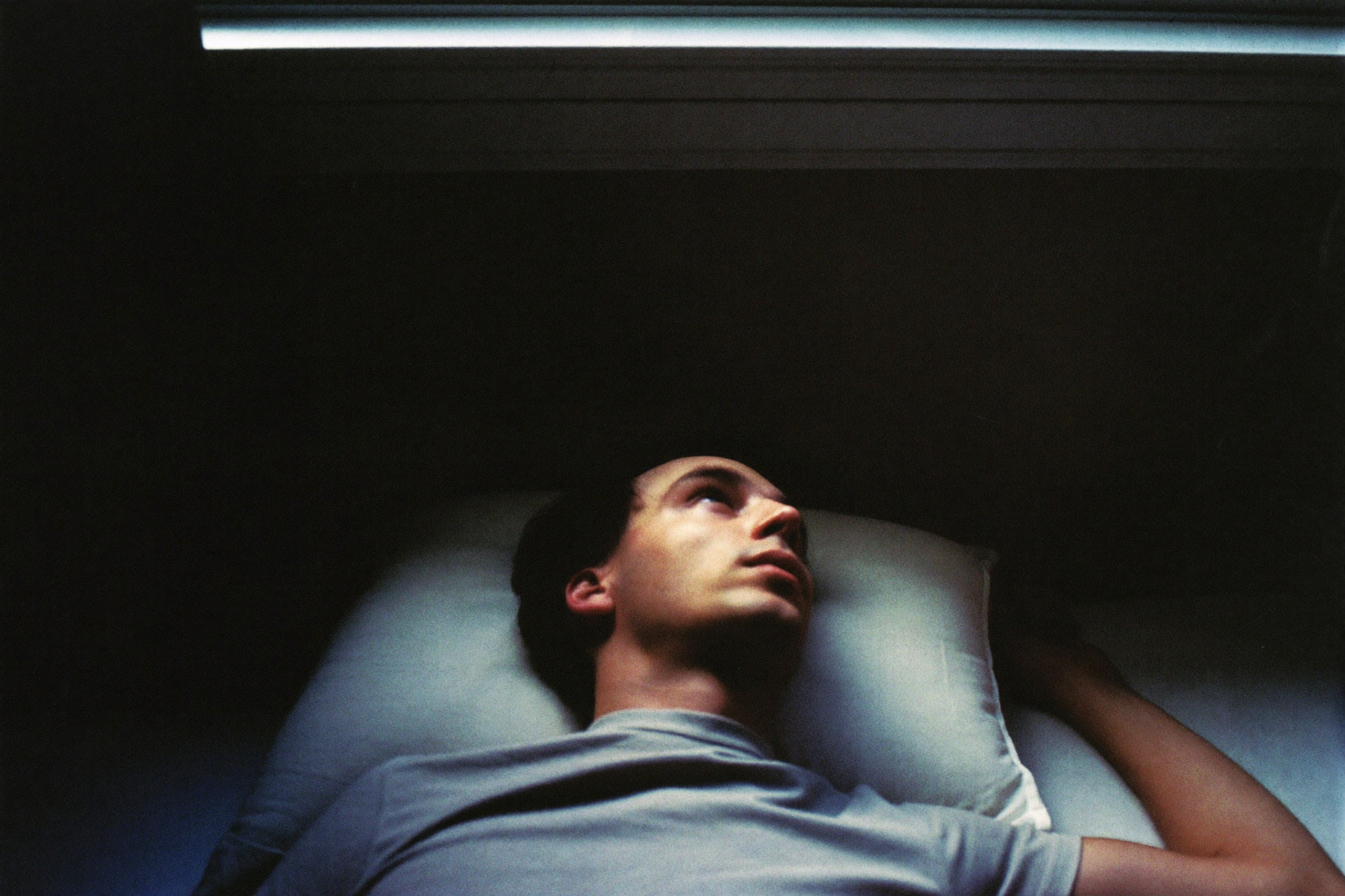
You wake at ten past three. Nothing woke you. You are completely alert, and within about ninety seconds you are thinking about something you have no ability to solve at ten past three.
Almost everyone has had this. Most people treat it as evidence that something is wrong with them.
The historical bit, which changes how it feels
The historian A. Roger Ekirch spent years going through diaries, court records, medical texts and literature from before the industrial era, and found hundreds of references to something that has since almost entirely disappeared from the language: first sleep and second sleep.
People went to bed not long after dark, slept for several hours, woke for an hour or two in the middle of the night — and used it. They talked, prayed, tended fires, visited neighbours, had sex, thought. Then slept again until morning.
His book At Day's Close: Night in Times Past is the full account. The waking was not a disorder. It was the middle of the night, and everyone was in it.
The unbroken eight-hour block is a fairly recent expectation. Artificial light compressed the night, and then we started diagnosing ourselves for failing to fill it.
What this does and doesn't mean
It doesn't mean broken sleep is optimal, or that you should plan a two-hour interval at 2am. Modern schedules make that unworkable, and the research on segmented sleep as a lifestyle is thin.
What it means is more useful: waking in the night is not automatically a malfunction. Brief surfacings happen to everyone several times a night. Usually you don't remember them. The ones you remember are the ones where something kept you up long enough to notice.
Which is where it actually goes wrong
Not in the waking. In the ninety seconds afterwards.
Your brain, at 3am, has full access to every unresolved thing in your life and none of the daytime resources for handling them. Everything is worse at 3am. Nothing is more true at 3am. That distinction is almost impossible to hold at the time and obvious by nine in the morning.
Then comes the arithmetic — four hours if I sleep now — which converts a normal waking into a stressful one, and stress is precisely what keeps you awake.
What we do
The clock faces away from the bed. Not knowing the time removes the arithmetic entirely, and it is astonishing how much of the distress that accounts for.
The phone is in another room. A bright screen at 3am converts a five-minute waking into a forty-minute one, and it hands your brain something interesting at the exact moment it needs boredom.
If it's clearly not passing, we get up. Twenty minutes or so, then out of bed, low light, something dull. This comes from cognitive behavioural therapy for insomnia rather than from folklore — lying awake and frustrated teaches your brain to associate the bed with being awake and frustrated. There's more on it here.
When it is worth taking seriously
Waking most nights and being unable to return to sleep for hours, over weeks, is worth a conversation with a doctor — particularly if it comes with low mood, or if a partner has noticed you stop breathing.
But the occasional 3am, followed by drifting off twenty minutes later? That's not insomnia. That's a night.