The Return of the Early Night

Ask anyone who works in hospitality and they'll tell you the shape of the evening has changed. Bookings have moved earlier. The 9pm table is harder to fill than it was. In several cities the club scene has contracted sharply, and the ones that survive are running earlier events.
This is usually reported as a story about young people not drinking. It's broader than that.
What seems to be going on
Money. Going out is significantly more expensive than it was, and a long night is the most expensive version. An earlier, shorter evening is partly a budget decision wearing a wellness costume.
Remote work. When the commute disappeared, so did the natural boundary that pushed evenings later. Dinner at seven is easy when you were home at six.
The wellness shift. Genuine, and covered elsewhere in this Journal — rest has become something people organise their week around rather than what happens when the week runs out.
Alcohol. Consumption has been falling across several countries for a decade, and a long night out is largely structured around drinking.
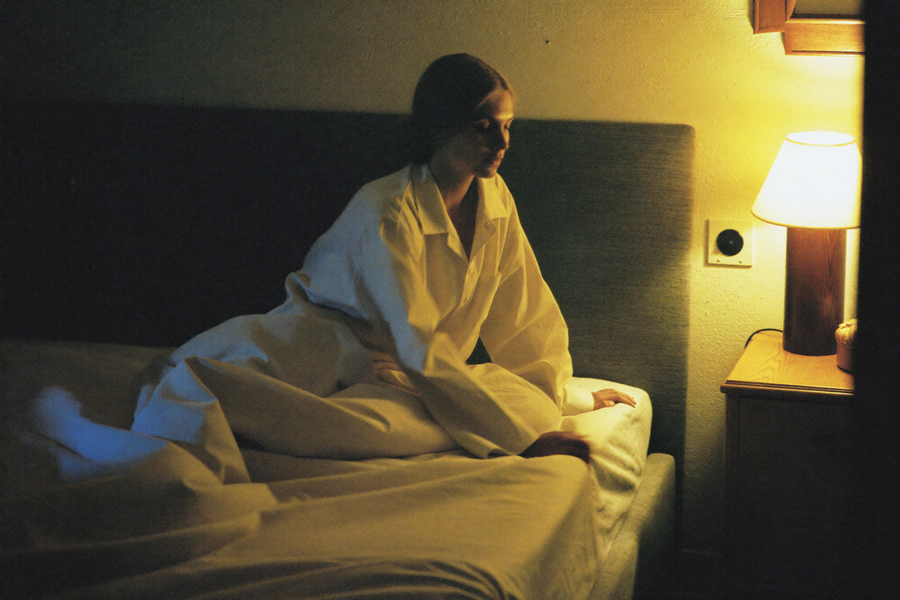
The early night stopped being what you did when nothing was happening and became a thing you were doing on purpose.
What's lost
We should be honest that something is. A lot of the best parts of a city happen late, and a great deal of friendship is built in the hours after the point where leaving would have been sensible.
An entirely optimised evening is a slightly diminished one. We've written a whole website encouraging people to protect the last hour of the day, and we'd still say that a night that runs long occasionally is worth more than the sleep it costs.
Where we've landed
The consistency is what matters, not the perfection. Four or five evenings that follow the pattern absorb one that doesn't, easily.
What doesn't work is the reverse — chaos on most nights and one virtuous Sunday. The body clock responds to what usually happens, not to intentions.
So: protect the ordinary evenings. Then feel entirely relaxed about ruining one.