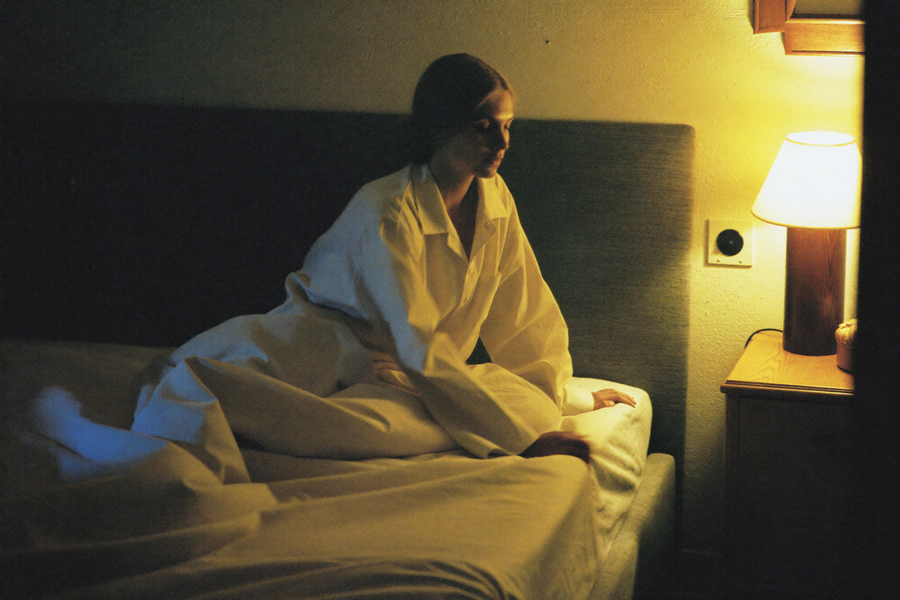
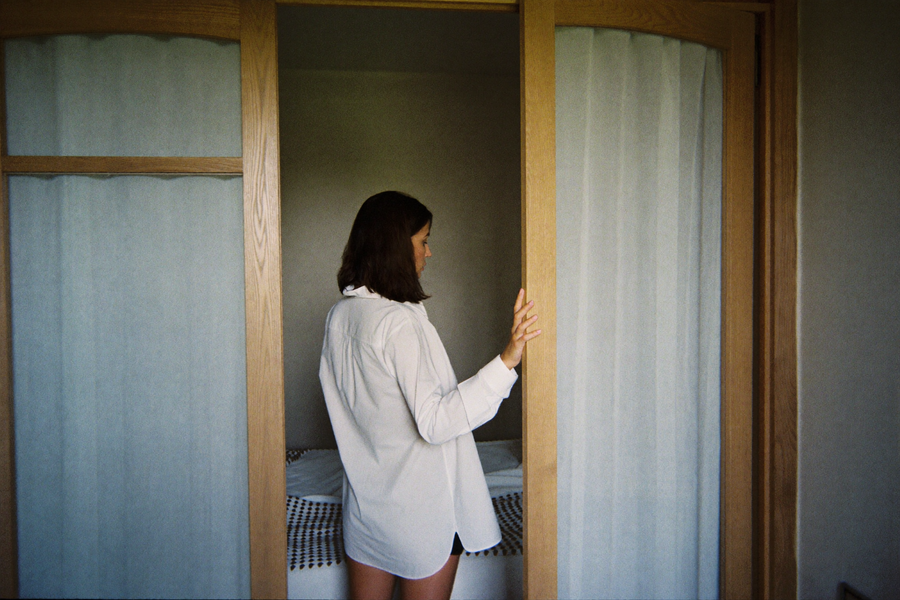
The Noura Morning Routine
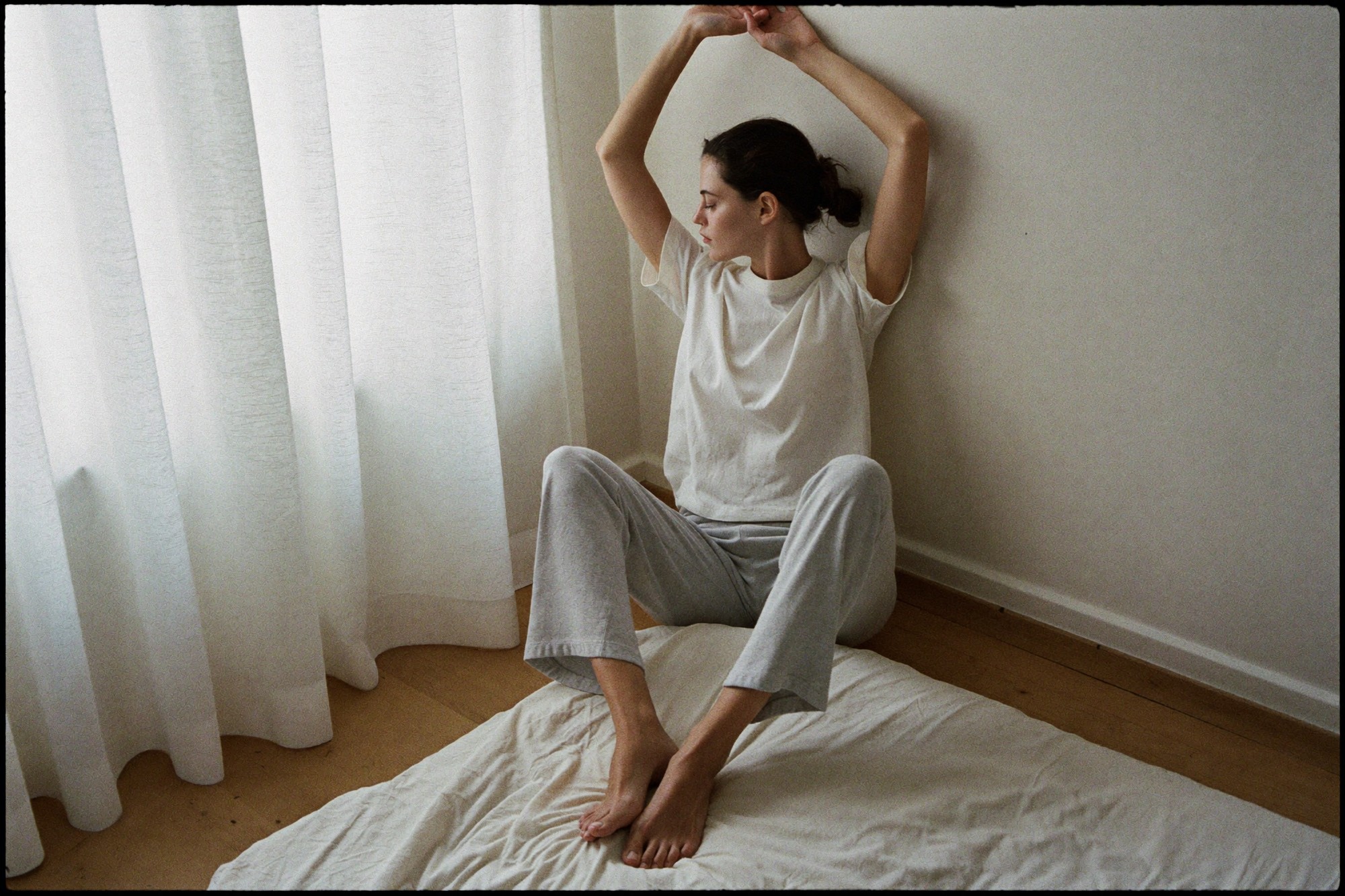
We spent two years perfecting an evening routine before we realised we had been working on the wrong end of the day.
The evening is where you feel the problem. The morning is where you fix it.
07:00 — The light comes before the phone
The alarm is a sunrise lamp, so by the time any sound happens the room has been getting brighter for half an hour. That part is a luxury. The next part isn't.
Curtains open before anything else. Not after coffee, not after the first scroll — first. On a good day we're outside within the hour, even for ten minutes, even in the rain.
This is the single habit with the best return of anything we do. Outdoor light on an overcast morning is around 10,000 lux; a bright kitchen is maybe 300. Your eyes flatten that difference so it doesn't feel like much, but the clock behind them is not fooled. Andrew Huberman, the Stanford neuroscientist, has built much of his sleep advice around this one instruction, and we've yet to find anything that outperforms it.
The mechanism is on our Circadian Rhythm page if you want it properly explained.
07:20 — Nothing that requires a decision
We don't open email before we've been awake for an hour. Not out of discipline — out of experience. Whatever is in there will still be there, and reading it while half-conscious means responding to it while half-conscious.
What happens instead is deliberately dull: water, coffee, the window open regardless of the temperature, and about ten minutes of not being spoken to.
The first hour sets the tone for the eight that follow. It is far too valuable to spend on other people's requests.
08:00 — The difficult thing
The hardest task of the day goes here, before the day has a chance to fill up. We wrote about why on Sleep & Performance: after a decent night your judgement is at its best in the first couple of hours, and judgement is the expensive thing you lose when you're tired.
By eleven the day belongs to other people. Between eight and ten it's still yours.
The part that isn't glamorous
We wake at the same time every day. Including Saturday.
This is the least popular thing we do and the one we'd defend hardest. A consistent wake time is what anchors the whole system — bedtime can drift, and often does, but if the mornings hold, the clock holds. The chronobiologist Till Roenneberg's work on social jet lag makes the case better than we can: the Monday feeling most people accept as normal is largely self-inflicted, and it comes from the weekend lie-in rather than the working week.
We allow ourselves an hour of drift. Not four.
What we do on a bad morning
After a short night the temptation is to sleep in and repay the debt. It's the wrong move — it shifts the clock later and makes tonight worse.
So the rule is: get up anyway, get outside anyway, and go to bed earlier tonight rather than getting up later today. If it's really bad, a twenty-minute nap before three in the afternoon. Never forty minutes — that lands you in deep sleep and you wake worse than you started.
If you only take one thing
Open the curtains before you open your phone.
It costs nothing, it takes four seconds, and of everything on this website — including everything we sell — it is the change most likely to make a difference.