The Meeting You Should Never Take After Four
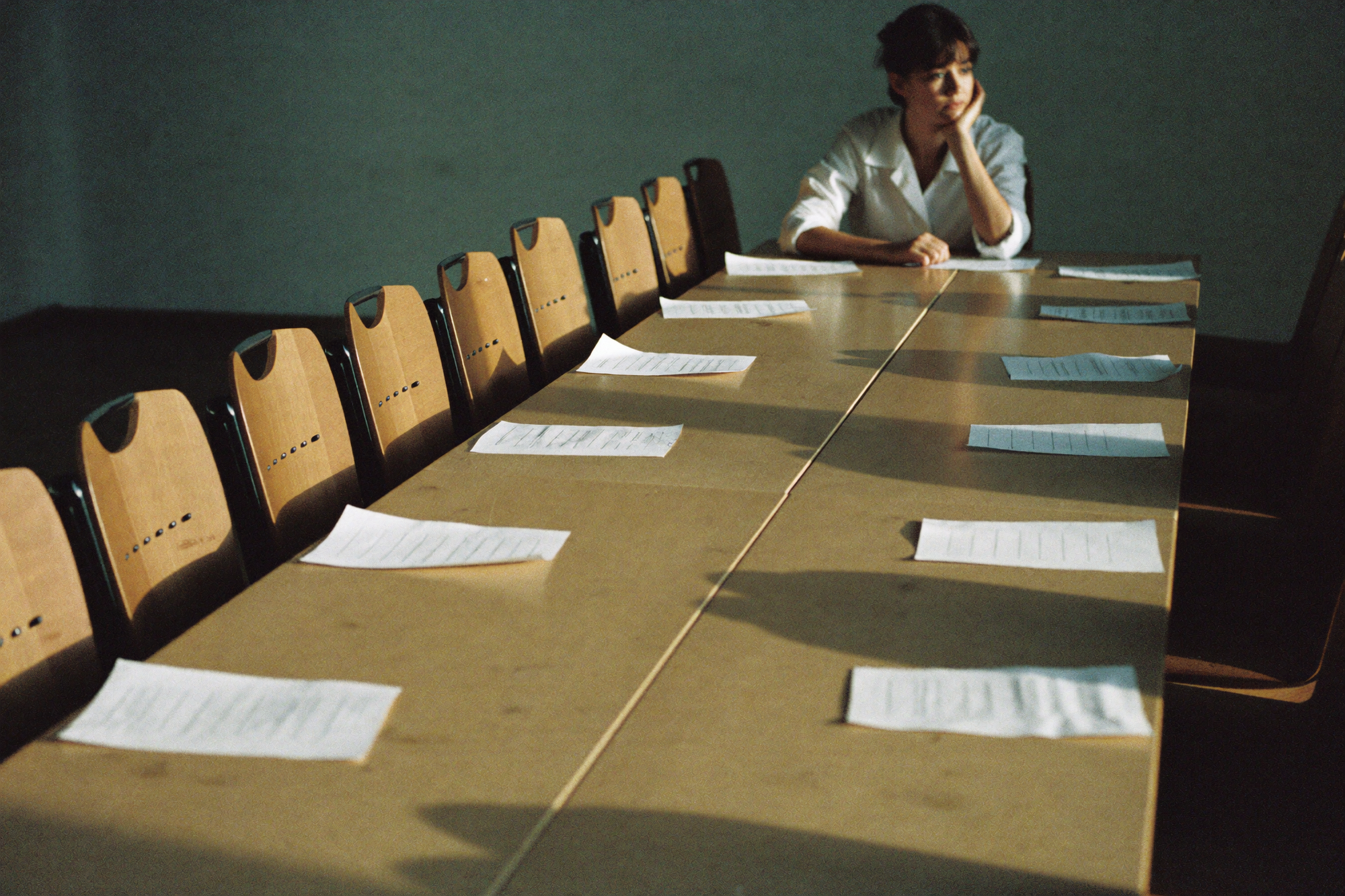
There's a slot in most calendars, somewhere between four and six, that gets filled with whatever didn't fit earlier. Often that's the difficult conversation — the negotiation, the disagreement, the feedback nobody wanted to give.
It's the worst possible place for it.
What's different by four o'clock
You've been making decisions for eight hours. Attention is depleted, patience is thinner, and the ability to hold someone else's position in mind alongside your own — which is the entire skill in a difficult conversation — is at its lowest.
Crucially, so is theirs. Two depleted people, discussing something contentious, both convinced they're being perfectly reasonable.
The conversation didn't go badly because of what was said. It went badly because of when it was said.
The categories to move
- Anything involving disagreement. Feedback, renegotiation, pushing back.
- Anything irreversible. Offers, commitments, signatures.
- Anything requiring you to change your mind. Late in the day you'll defend your existing position rather than examine it — not out of stubbornness, out of cost.
What late slots are good for
Plenty. Updates, catch-ups, anything social, anything where the outcome is already agreed and you're confirming details.
Low-stakes conversation is arguably better late — people are looser and less guarded.
The compounding version
A difficult conversation at five o'clock doesn't just go worse. It follows you home, and then it's what you're thinking about at eleven when you're trying to sleep — which produces a worse night, which produces a worse next day.
Held at ten in the morning, the same conversation has a whole working day to be resolved, forgotten, or put in proportion before you get into bed.
The practical rule
If a meeting could plausibly end with someone upset, it goes in the morning.
It's the cheapest scheduling rule we know and the one we break most often.