The Cost of the Extra Hour
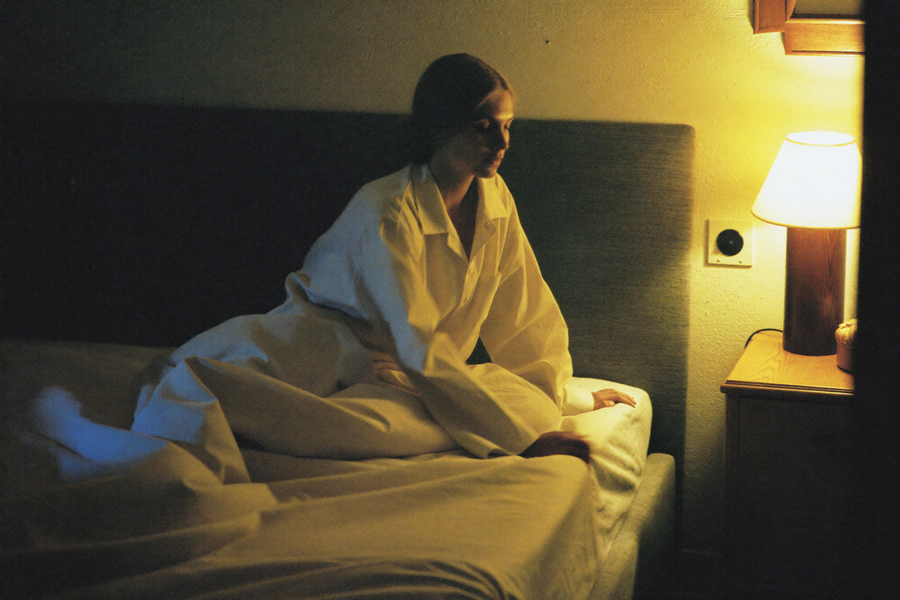
It's half past eleven and the thing isn't finished. You could stop, or you could give it another hour.
Almost everyone gives it another hour, and it almost never pays.
What that hour is worth
It is the least valuable hour of your entire day. You are at the bottom of your attention curve, your judgement is at its lowest, and you're working on the thing that was already too hard to finish earlier.
In our experience the work produced in that hour has to be redone about half the time. Not always — which is exactly why the habit survives.
What it costs
One hour of sleep from a night that was already going to be short, followed by a full day at reduced capacity. Call it eight or ten working hours at eighty percent.
You traded a low-value hour for a small tax on every hour of the following day. Written out like that it's obviously a bad deal. It never feels like one at half past eleven, because at half past eleven the hour is visible and tomorrow is theoretical.
Finishing feels like progress. Finishing badly at midnight and redoing it at ten the next morning is progress you paid twice for.
What we do instead
We stop, and we write down exactly where we stopped and what the next move is — two lines, thirty seconds.
That second part matters more than the first. Most of the reluctance to stop isn't about the work; it's the fear of losing the thread. Written down, the thread keeps.
Then it gets picked up in the first two hours of the next day, which is where difficult things belong anyway.
The exception
Genuine deadlines exist. Sometimes the hour is unavoidable and you take the hit knowingly.
The distinction worth making is between this must be done tonight and I want the feeling of having finished. The second one is far more common, and it's the expensive one.