The Twenty-Minute Rule

Everyone's instinct, lying awake, is to stay put and try harder. Close your eyes. Breathe slowly. Give it another twenty minutes.
It is almost exactly the wrong thing to do.
Why staying in bed backfires
Your brain is extremely good at learning associations. A bed used only for sleeping becomes a cue for sleepiness — you get in and something starts winding down before you've decided to.
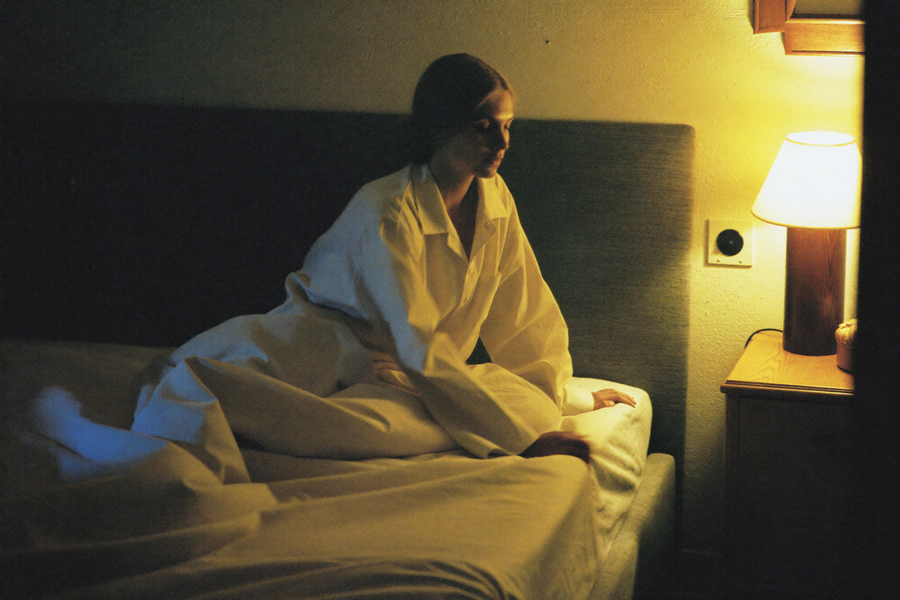
A bed where you regularly lie awake, frustrated, watching the ceiling, becomes a cue for lying awake and being frustrated. Repeat that a few dozen times and getting into bed starts producing alertness. Many people who describe themselves as bad sleepers have accidentally trained exactly this.
The rule
If you've been awake for what feels like twenty minutes — don't check, guessing is the point — get up.
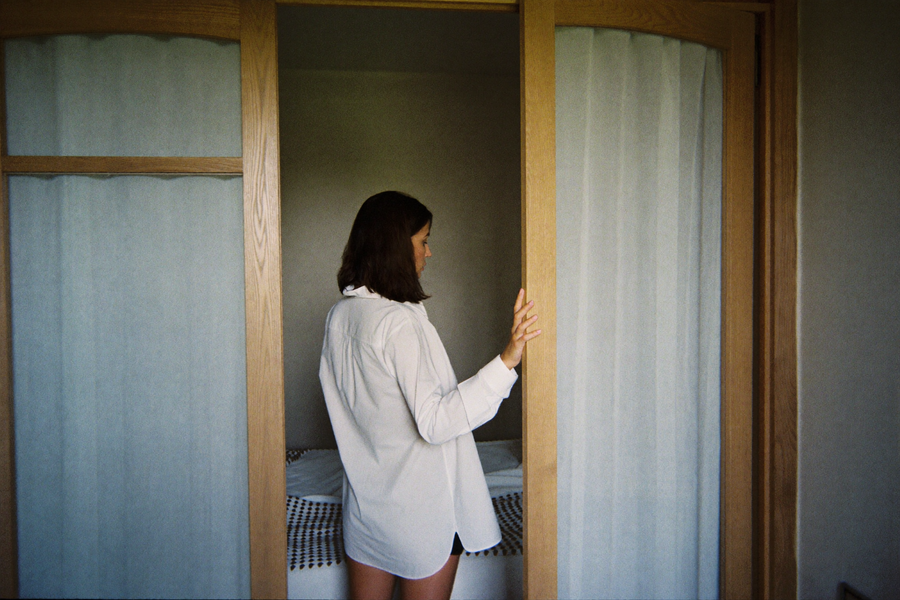
Leave the bedroom if you can. Low light, nothing bright. Something genuinely dull: a slow book, folding something, standing at a window. No screens, because a screen is engineered to be interesting and interesting is not what you need.
Go back when you feel sleepy rather than when you feel it's been long enough. If you're awake again twenty minutes later, do it again.
Where this comes from
This isn't a wellness tip. It's a component of cognitive behavioural therapy for insomnia, known as stimulus control, and CBT-I is the recommended first-line treatment for chronic insomnia — ahead of medication, not after it.
If you want the full protocol from someone who actually treats patients, Colin Espie, Professor of Sleep Medicine at Oxford, wrote the standard self-help guide: Overcoming Insomnia and Sleep Problems.
The catch
It works, and it is deeply annoying for the first fortnight. Getting out of a warm bed at 2am on principle requires more belief than most people have at 2am.
Give it two weeks. The nights get shorter and the association reverses. And if it doesn't shift at all, that's worth a conversation with a doctor rather than another article.