How to Create a Bedroom You'll Actually Want to Sleep In
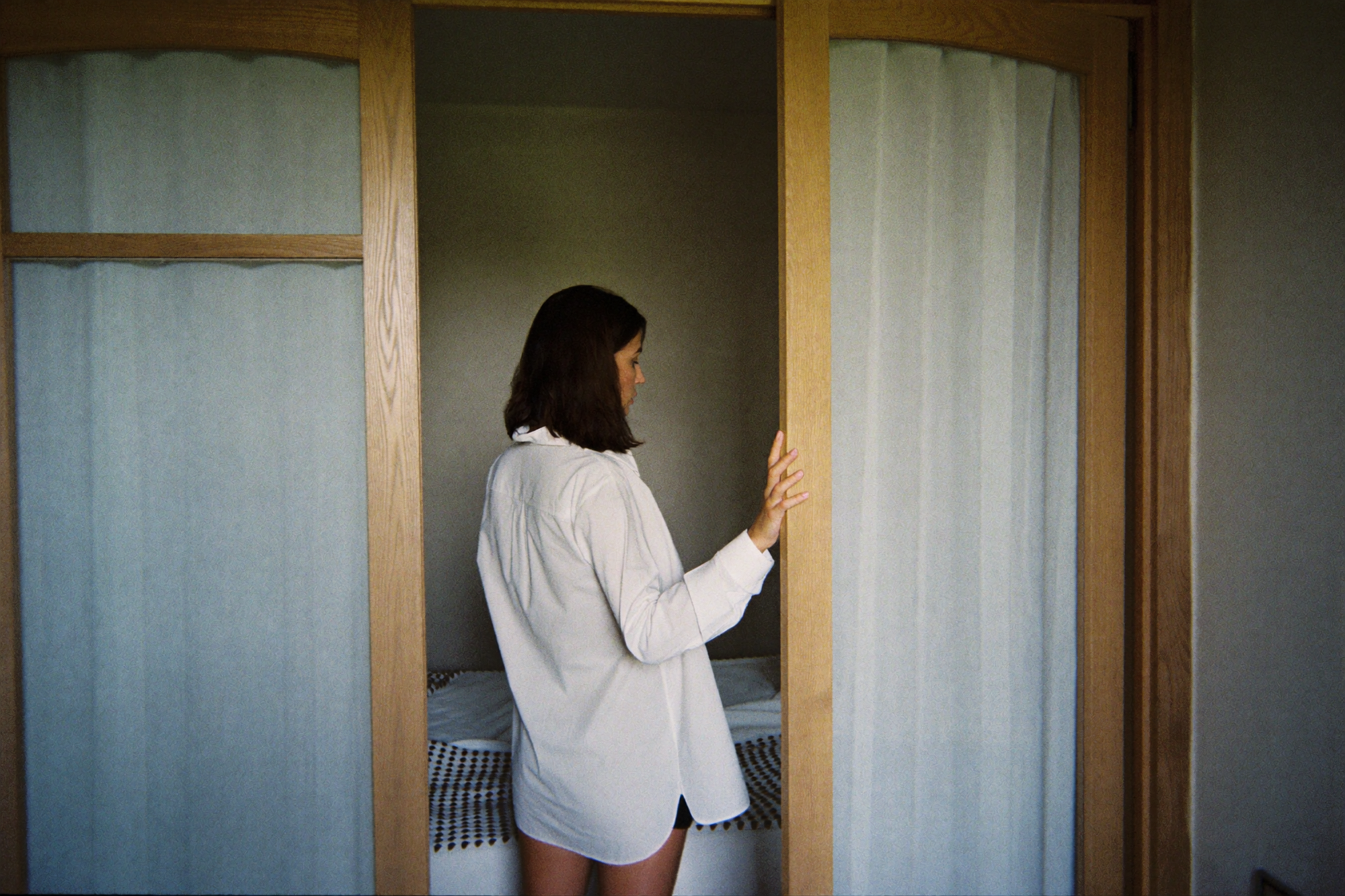
There's a particular kind of bedroom that photographs beautifully and sleeps badly. Ours was one of them for years.
It had the linen, the neutral palette, the one carefully placed book. It also had a ceiling light bright enough to perform surgery under, a phone charging on the pillow beside us, and a window facing a street that never quite goes quiet.
Design for the last hour, not the photograph
A bedroom has one job that no other room has: it has to help you stop. Everything else — the colour, the frames, the throw folded at an angle — is secondary to that.
So the useful question isn't how does this room look. It's what does this room ask of me at eleven at night. A room full of unfinished things asks a lot. A laundry pile is a task. A desk in the corner is a task. A television is a negotiation.
You can't relax in a room that's still asking you for something.
Light is the whole game
If you change one thing, change the lighting, and change it in layers.
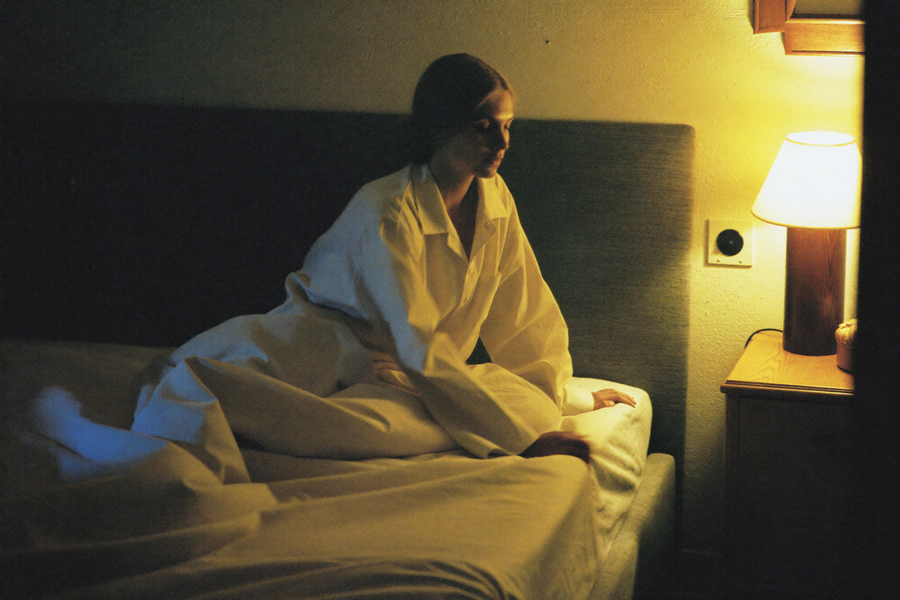
Overhead lights are for finding things. They belong to the daytime version of the room. What you want after dark is light coming from low down and from more than one place — a lamp on each side, warm bulbs, nothing pointing at your face. The room should get visibly dimmer as the evening goes on, not switch from stadium to black in one movement.
The same applies to what you put on the nightstand. A candle isn't styling. It's the lowest-intensity light source you own.
Deal with the things you keep meaning to deal with
Every bedroom has two or three known problems that everyone living in it has silently agreed to tolerate. The gap in the curtains. The radiator that clicks. The streetlight. The neighbour's door.
They're tolerable individually and expensive collectively, because each one is a small reason to surface during the night. Most have unglamorous fixes: a mask, earplugs, a sound machine, a heavier curtain. None of them will end up in the photograph. All of them change how the room feels at three in the morning.
Leave something for the morning
The best bedrooms are designed twice: once for going to sleep and once for waking up.
Ours is a light on the dresser that starts rising half an hour before the alarm, and a window we can actually open. The evening version of the room is closed and dim. The morning version opens up. Same room, two settings — that's the part most people miss.
What we'd do first, on any budget
Move the phone charger out of arm's reach. Swap the bulbs for warm ones. Put a lamp where the ceiling light used to do the work. Fix the one noise or the one bit of light that wakes you.
Then, if you still want the linen and the carefully placed book, have both. Just make sure the room works with the lights off.