The Case for an Empty Nightstand

Look at your nightstand. Ours used to hold: a phone, a charger, a second charger, two glasses, three books nobody was reading, a receipt, a pen, and something that came out of a suitcase in 2024.
It's the last thing you look at before you close your eyes and the first thing you see when you open them. That's a lot of responsibility for a surface nobody thinks about.
What we allow now
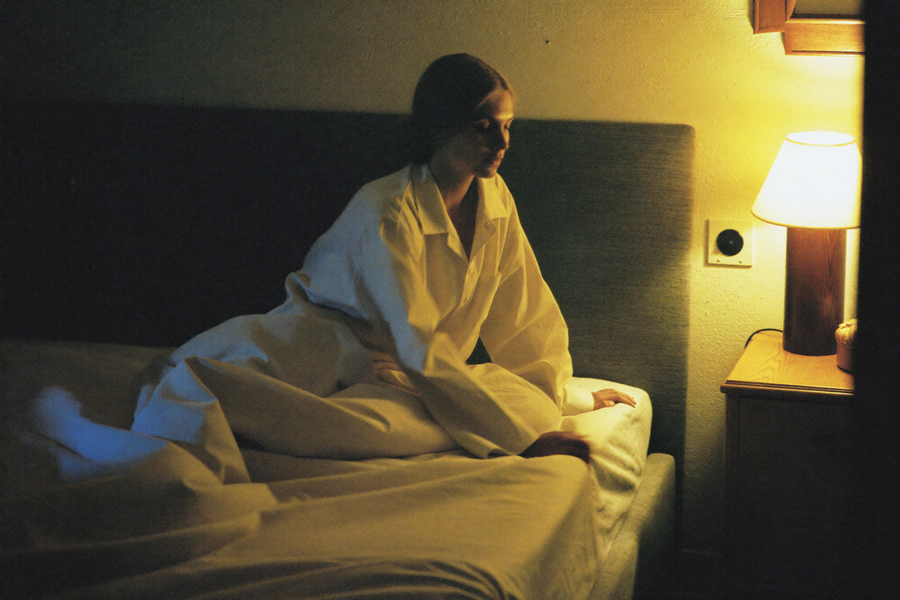
A lamp. One book. One other object — usually a candle, sometimes a glass of water, occasionally nothing.
Three things, and the rule is that a fourth arriving means something leaves.
Why it's not just aesthetics
Because everything on that surface is either an instruction or a reminder. The book you're not reading is a small reproach. The receipt is an errand. The charger is a phone.
None of that registers consciously. All of it is in your field of view in the last minute of the day, when your brain is looking for reasons to stay switched on and will happily take any it's offered.
Clear the surface and you remove five small unfinished things without doing any of them.
The phone question
It doesn't live there any more, and that single change did more than the rest of this combined. Not for willpower reasons — because a phone within reach turns a two-minute waking at 3am into a forty-minute one. We wrote about it here.
What it looks like
Better, obviously. A nightstand with three objects on it reads as considered; the same nightstand with nine reads as storage.
But that's a side effect. The reason to do it is that the room stops talking to you at the exact moment you need it to be quiet.