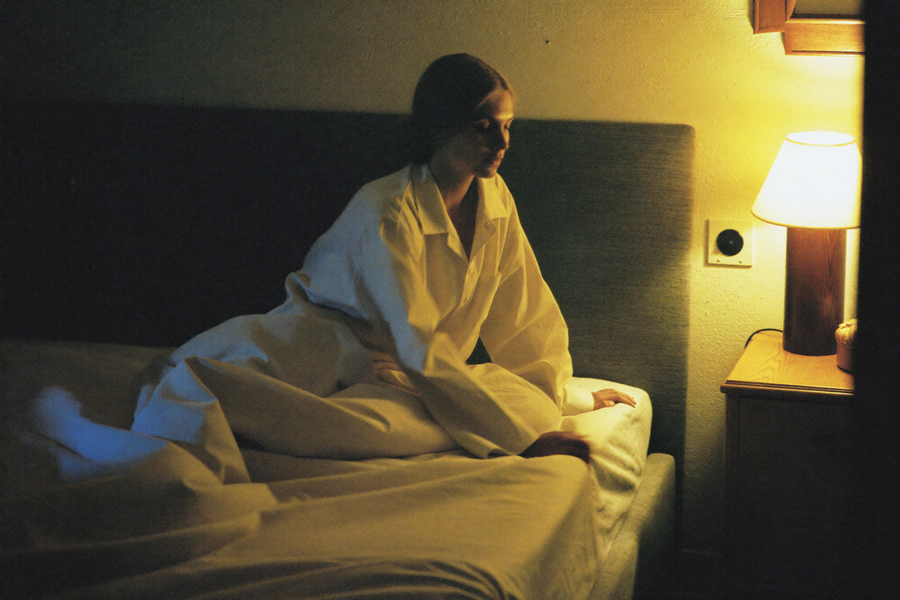
Sleep and Ambition
There was a period, roughly from 2010 to the pandemic, when telling people how little you slept was a way of telling them how serious you were.
Five hours. Up at 4:30. Sleep when you're dead. It was a whole genre, and it worked as a signal precisely because it was costly — anyone can say they work hard, but visible exhaustion was proof.
The trade nobody did the maths on
Take an hour from the night and you gain an hour — a real, visible, countable hour, usually spent on something that felt productive.
What you pay is spread thinly across the following twelve to sixteen hours, in a currency nobody itemises. Slightly worse judgement. Slightly less patience. A slightly greater tendency to take the obvious answer rather than the right one.
The gain is legible. The cost isn't. So the trade looks good indefinitely, and people run it for years.
You can see the extra hour. You cannot see the twelve degraded ones, which is the entire reason the belief survived so long.
What actually degrades
Not speed. Tired people can still process, respond, attend, execute. What goes first is the expensive cognitive work: holding two options in mind, tolerating ambiguity, changing your mind when the evidence changes, resisting the easy answer.
You keep the capacity to be busy and lose the capacity to be strategic. That combination is genuinely dangerous, because busyness feels like progress and produces plenty of evidence of itself.
We wrote about the mechanism on Sleep & Performance.
The part that's specific to ambition
Tiredness makes you conservative.
Nobody makes a brave decision at the end of a fourth bad night. Nobody starts the difficult conversation, sends the ambitious email, or reconsiders the plan that isn't working. You do the safe version, because the safe version requires less of you.
Which means chronic short sleep doesn't just cost you performance on today's tasks. It quietly narrows the range of things you're willing to attempt — and you never see that cost at all, because the alternative version of your year doesn't exist to compare against.
What changed the culture
Partly the research reaching the public. Partly elite sport, where the cost of being wrong is measurable and teams now treat sleep as trainable — fixed schedules, controlled light, travel planned around circadian disruption.
And partly exhaustion. A lot of people tried the 4:30 version and discovered it produced a great deal of activity and not much else.
Where we've landed
Rest isn't the reward for the work. It's part of the work — the part where the thinking gets organised without you.
That's not a softer position than the hustle one. It's a more demanding one, because it means protecting the night on days when staying up would feel more virtuous. Going to bed can be the disciplined choice, and it rarely looks like it.